
The Contemporary period is from 1945 through now. The world is a mess and war is an inevitable madness. It breaks away from social and political norms. Women developed a voice and eventually got the rights they fought for. The contemporary period included various cultures and ethnicities. The genres of writing mixed and expanded. Different types of writing emerged such as sound poetry and circular narrative. There is no limit or filter, an example of this would be in The Hunger Games By Suzanne Collins. The Vietnam, Korean, Cold, and Persian Gulf wars on terrorism all effected the attitude of writing such as The Things They Carried by Tim O’Brien. Since 1945, we have made impressive medical advances. Other advancements such as music genres have expanded. Music such as rock and roll, country, pop, and rap have appeared. Televisions have color and we now live in a digital world where you can access anything such as food, clothes, books, etc. on your phones, laptops, and other devices. This is shown in the short story Licensed To Kill Time by Kim Z Dale. Another famous novel written during this time is The Color Purple by Alice Walker. Some poems from this era are Shel Silverstein’s “Where The Sidewalk Ends” and “Hector the Collector”.

The Modern Period
The Modern period took place around 1914 through 1945. The people questioned social norms and were held to a higher standard. After World War I, the United States found itself in an era of unpredictability and change. Ernest Hemmingway’s book A Farewell To Arms is about an ambulance driver in World War I who falls in love with a nurse during the war. People wanted changes and feminists started standing up for the changes they wanted including women’s rights to vote. Flappers appeared and woman started becoming more independent. The government prohibited alcohol just as the Jazz Age started. A good reference to the Jazz Age would be The Great Gatsby by F. Scott Fitzgerald. Many African American poets and their poems became known during the Harlem Renaissance, such as Langston Hughes’ “The Weary Blues” and Claude McKay’s “If We Must Die”. Towards the end of the Roaring Twenties, in 1929, there was a stock market crash which caused the Great Depression and left many Americans unemployed and broke. John Steinbeck’s novel, The Grapes of Wrath, is written about a family during the Great Depression and how they lived/ survived during it.
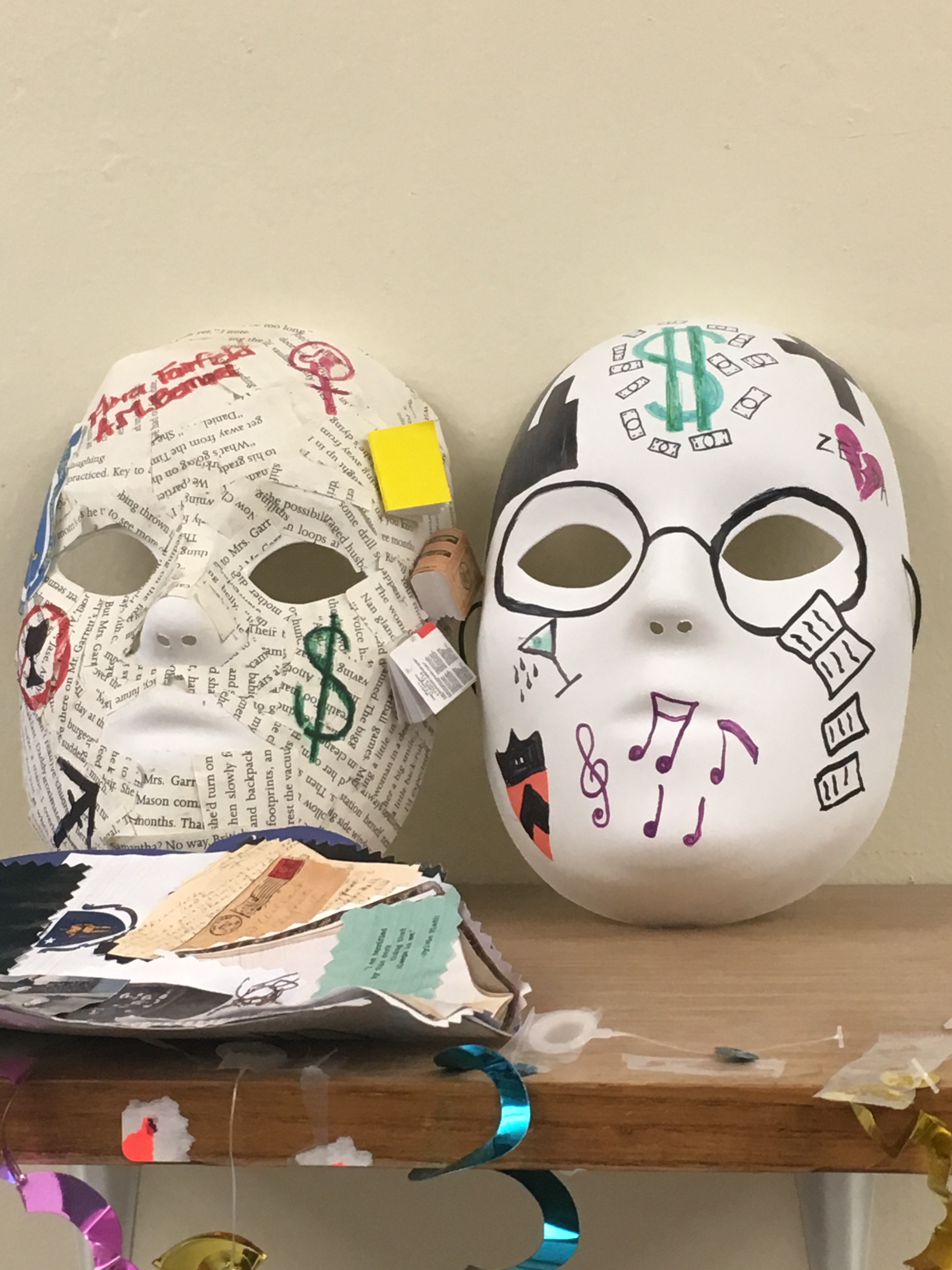
The Realist Period
The Realist period started around 1840 and ended in 1914. With the Civil War and advancements in science, the Realist period started. This era was blunt and factual. Even though life sucked, you had to figure out a way to deal with it. It exposed the truth in society and the hardships. It was aggressive and relatable to the people’s lives who were living at the time. With an abundance of resources and many workers, the United States’ industrial factories expanded and the workers were not treated fairly. It focused a lot on death, the low or middle class people, and immigrants. Some examples of books written during this period would be Portrait of a Lady by Henry James, House of Mirth by Edith Wharton, and O’ Pioneers! By Willa Cather. O’ Pioneers! Is about the pioneer men of the story and their relationship with the land they own. Although the land doesn’t always treat them right, in the sense that there’s droughts and bad weather, they are stuck with it. Poems that made an impact during this time would include Edwin Arlington Robinson’s collection of poems “The Town Down the River” and Matthew Arnold’s “Lines Written by a Death Bed”. A short story written during the Realist period is “Occurrence at Owl Creek Bridge” by Ambrose Bierce.
The Romantic Period
The Romanticism period began in 1800 and ended in 1860. New westward expansion began with the Louisiana Purchase in 1803. Many Americans packed up their belongings and moved west, thinking they were going to become rich after gold was uncovered in Sutter’s Mill in California. During this time, Americans had not found a cultural identity for themselves. The Romantics and Transcendentalists had made a new literature that focused on imagination and feelings. The Transcendentalists wanted to go beyond their ordinary lives with spiritual experiences in nature. They believed that in order to discover truths, they must transcend, or go beyond our physical world and pursue the ideal world. Another group of writers, the Dark Romantics, became popular during this time. They explored the dispute between good and evil. The Dark Romantics didn’t believe the spiritual truths found in nature were all good like the Transcendentalists did. Popular novels during this time would include Nathaniel Hawthorne’s A Scarlet Letter, Herman Melville’s Moby Dick, and Frankenstein by Mary Shelley. Famous poems written during this era would be Henry Wadsworth Longfellow’s “Ballads and Other poems” and Edgar Allan Poe’s “The Raven and Other Poems”. A well-known short story from the Romantic era would be Washington Irving’s The Legend of Sleepy Hollow.

The Foundation Period
The Foundation Period began about 500 years ago in the 16th century. The Puritans paved the path for a new society. When the foundations began, the Puritans moved from England to come to America. They went to Plymouth, Massachusetts, leading to both the Declaration of Independence and the American Revolution. William Bradford wrote the novel Of Plymouth Plantation about the journey to America and the hardships that came along with it. It also focuses on God’s divine Providence. The Puritan writers based their writings and literature off the Bible and focused on the power of reason. Important forms of Puritan literature included diaries kept by them because they recorded the works of God. The Puritans highly valued the idea of hard work and discipline. When the Puritans arrived in America, they believed they were the first ones there, yet American Indians had lived there for thousands of years prior to them arriving. The literature of the Native Americans was rooted in oral tradition and their story tellers were highly respected within their communities. The story tellers would pass down popular myths that answered people’s questions about the origins of the world. Another popular novel written during the foundations would be Anne Bradstreet’s’ The Tenth Muse Lately Sprung Up in America. A short story written by Jonathan Edwards titled Sinners in The Hands of an Angry God. Poems written during this era include Anne Bradstreet’s “To My Dear and Loving Husband”, and Phillis Wheatly’s “Poems on Various Subjects, Religious and Moral.”
 American Lit End of Course Exam